INDUSTRY
Healthcare
A leading national health insurer serves millions of members across multiple lines of business. With digital transformation at the center of its strategy, the company needed to shift member behavior toward mobile app usage to reduce operational costs, improve member experience, and increase engagement with key self-service features.
Challenge: Growth and compliance at odds
The healthcare provider was everywhere, but couldn’t see anything.
Email, direct mail, print, landing pages, paid media — installs were coming from dozens of channels, but the team had no reliable way to measure what actually worked. Was that direct mail campaign worth the investment? How much were they really paying per install? Which owned channel tactics deserved more budget?
As a regulated organization handling protected health information (PHI), the company faced a challenge that went deeper than visibility. The team couldn’t run paid campaigns without proper measurement infrastructure that met their compliance requirements.
Without that foundation, every decision was guesswork.
Solution: Connected journeys, clear results
Branch gave the healthcare provider visibility across every acquisition and engagement channel, with the compliance infrastructure it needed. As the only mobile measurement partner (MMP) built for HIPAA eligibility, Branch’s Advanced Compliance solution provided isolated network architecture and encrypted data flows that let the team run paid campaigns with full attribution visibility while keeping PHI secure at every step.
For the first time, the team had a trusted source of truth for installs, app opens, and downstream actions, all connected back to the original touchpoint.
Paid media became 97% cheaper and 42x more efficient
With Branch’s secure measurement in place, the team could finally launch and optimize paid campaigns with confidence. Cost per install (CPI) dropped by 97%, install click-through rates (CTRs) improved 42x, and the company documented nearly $700K in savings.
Owned channels revealed clear winners
Cross-channel measurement showed which tactics generated real return on investment (ROI) and which channels needed optimization.
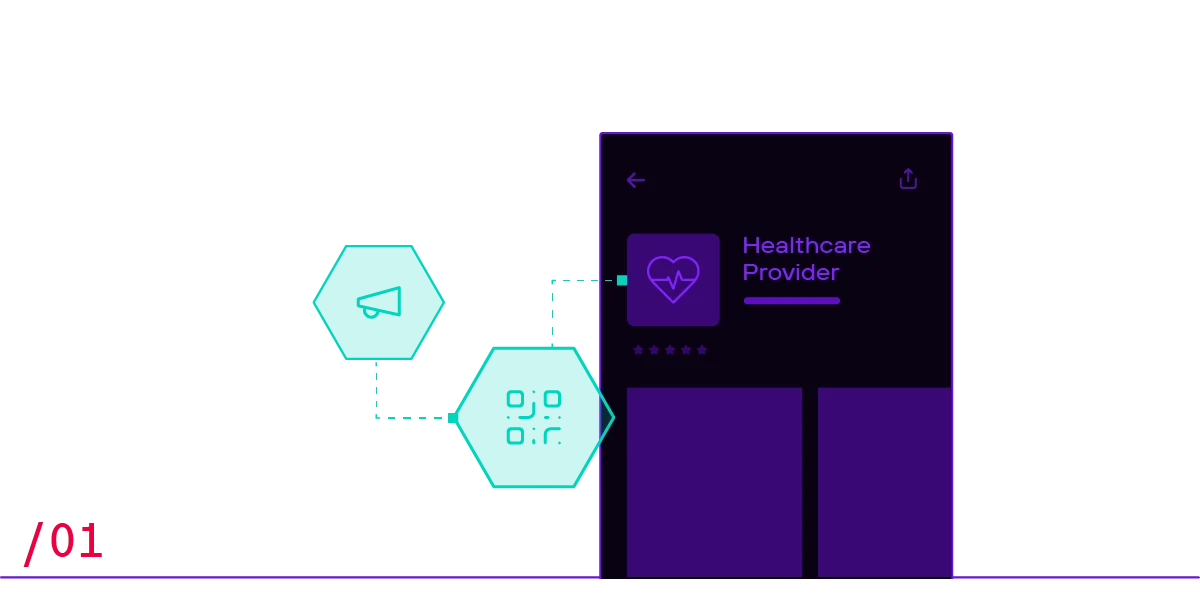
1. Offline channels proved their worth: Direct mail and print materials generated 1M installs via mobile-optimized QR codes that took users directly to in-app content while tracking scans and downstream conversions.
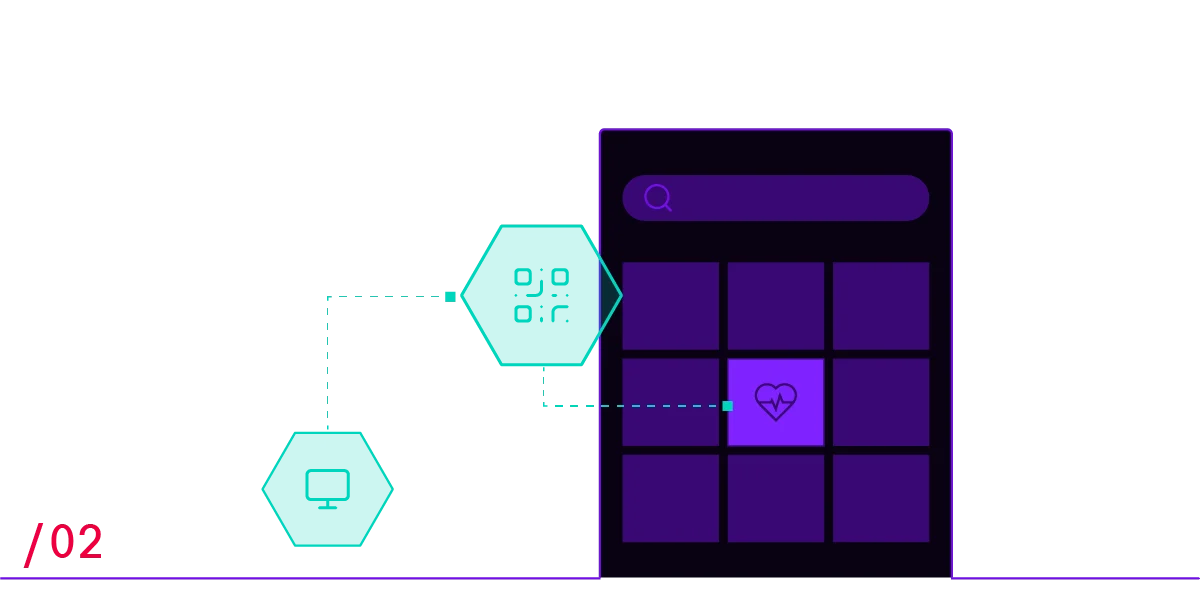
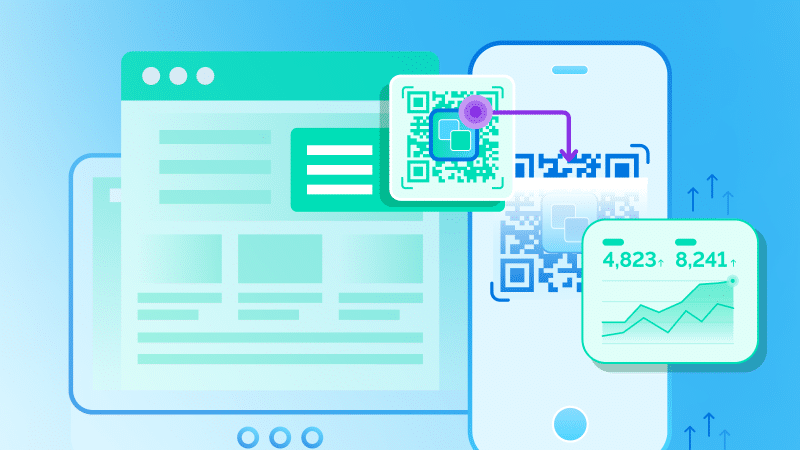
2. Desktop-to-mobile bridged the gap: QR codes on the desktop website generated 300K installs by letting users discover the app while browsing on their computers and helping them easily transition to a mobile experience.
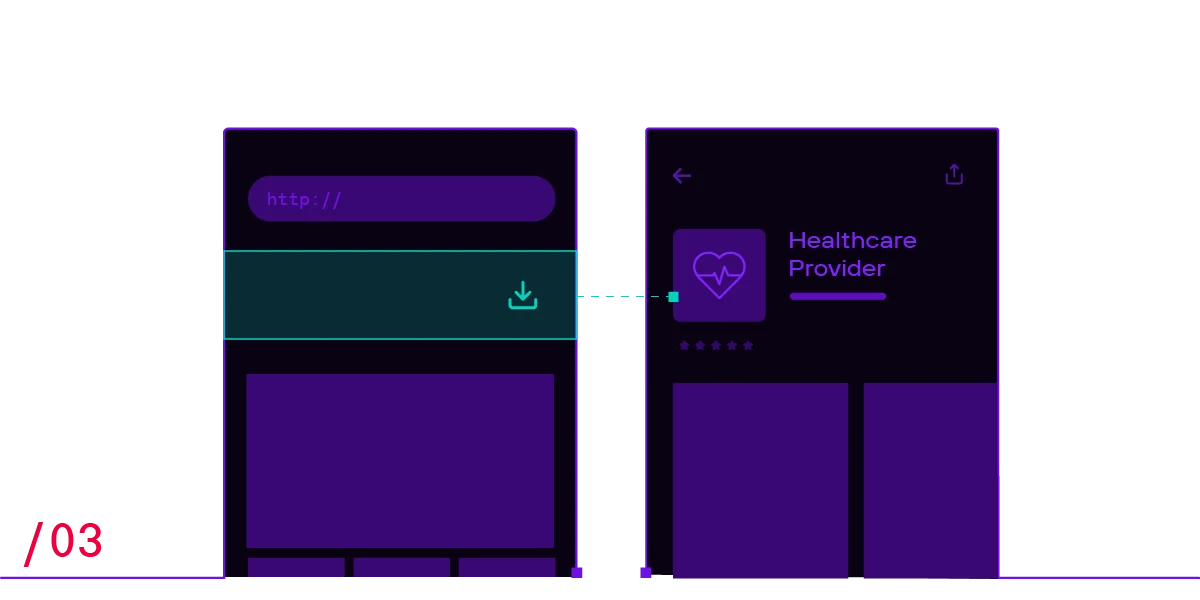
3. Web-to-app tactics converted browsers into users: The healthcare company implemented Branch Journeys smart banners across its mobile site to turn casual browsers into app users. After testing multiple formats, the team saw the strongest results from a persistent banner at the top of the screen. Even small changes added up: A single Branch link on the homepage drove nearly 40K app opens and more than 20K installs, showing how smart placement in high-traffic areas can compound impact.
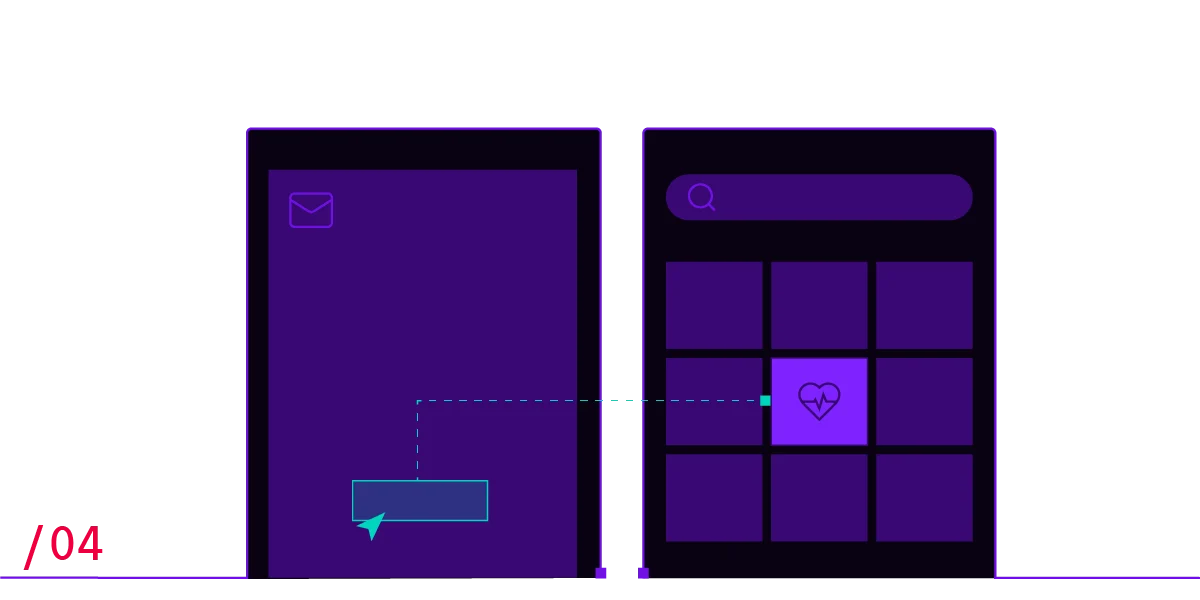
4. Email drove retention and reengagement: The team embedded Branch links in email calls to action (CTAs) to bring users directly into relevant app features. In Explanation of Benefits (EOB) emails, for example, Branch links take users straight into their benefits details with a single tap. By reducing friction between email and app, attributed app opens increased 17% year-over-year (YoY).
Growth without risk
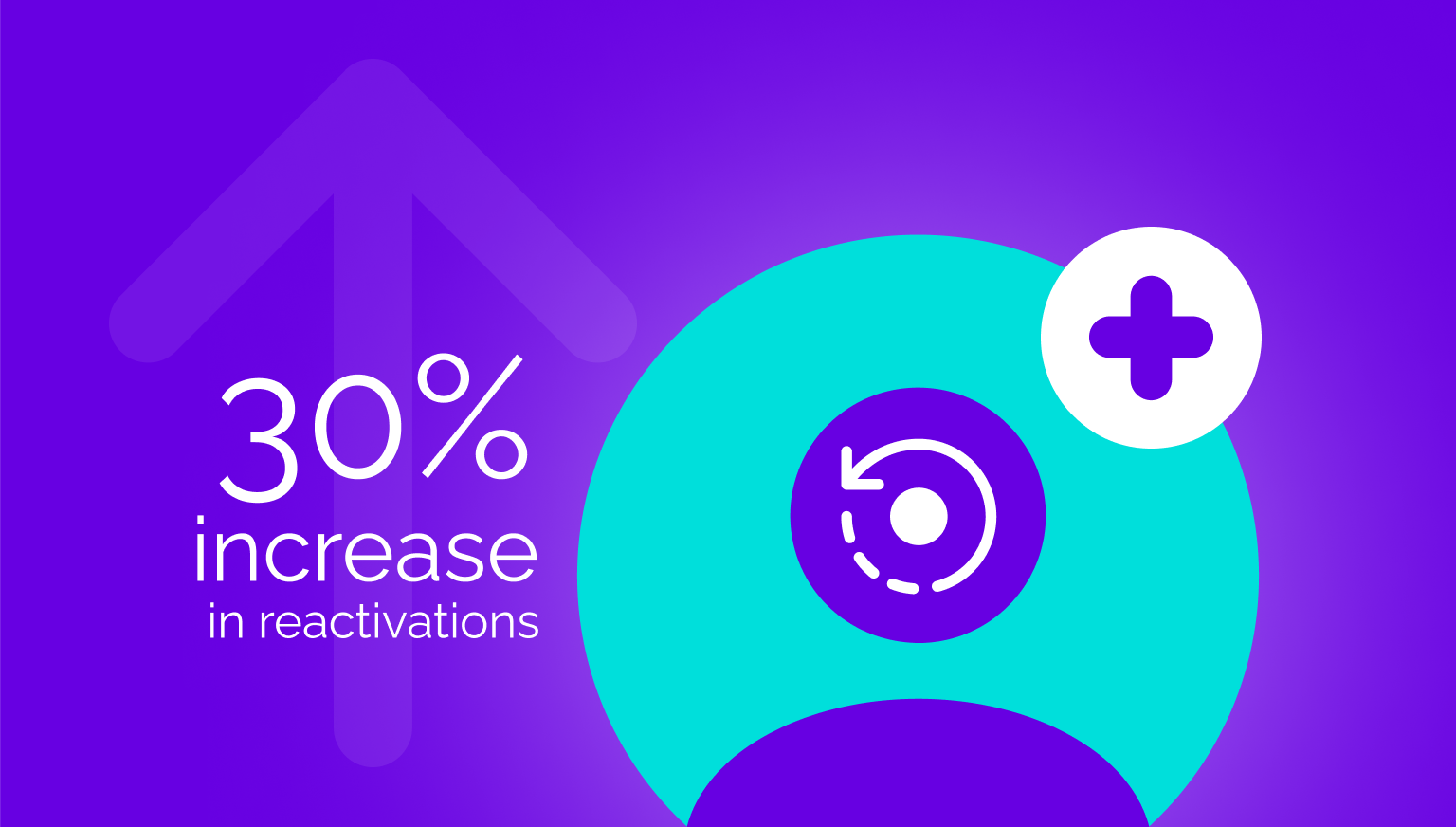
In less than a year, the healthcare provider drove roughly 2M installs through Branch links — a 21% increase YoY. The team created more than 800 Branch links across campaigns, driving 4M+ unique app opens (52% YoY growth) and growing monthly active users (MAUs) by 38%.
But the real transformation wasn’t just the metrics. Branch’s analytics showed which offline channels deserved budget increases, which web placements converted best, and how to structure paid campaigns for maximum efficiency.
And critically, the healthcare company achieved all of this while maintaining strict compliance requirements, proving that regulated organizations don’t have to choose between growth and data protection.